How 3D Scanning Has Transformed CAD Design
Introduction
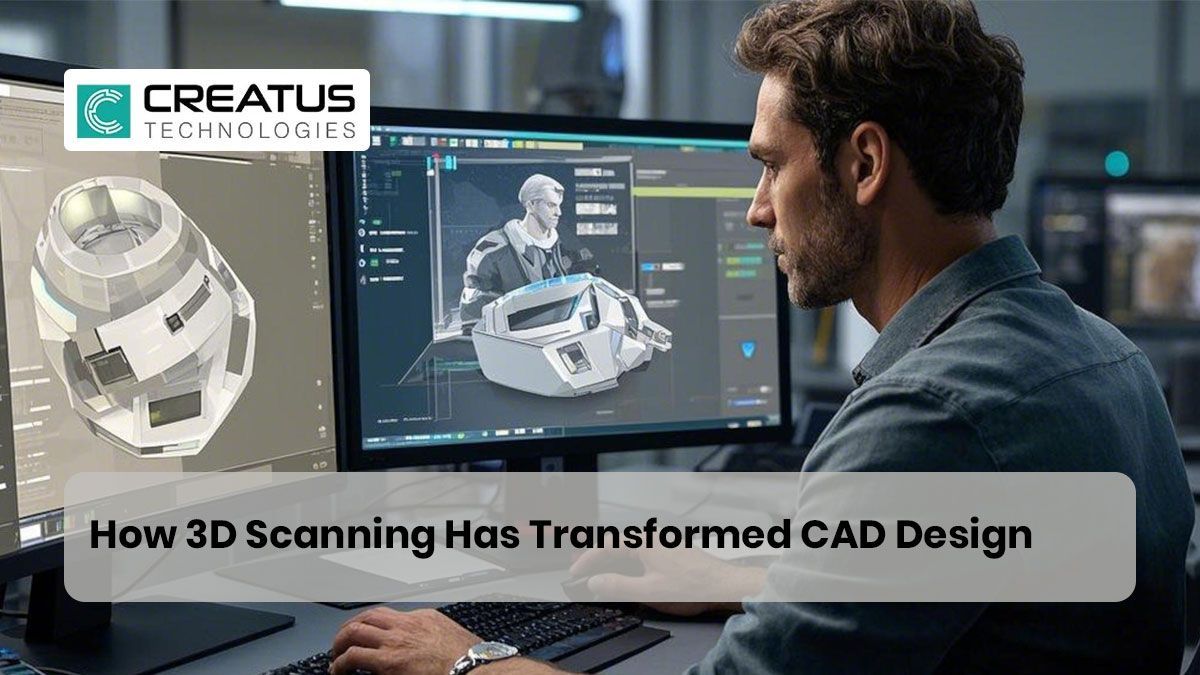
In today’s fast-paced mechanical and manufacturing industries, precision and efficiency are critical. 3D scanning has emerged as a game-changing technology, enabling engineers to create highly accurate CAD (Computer-Aided Design) models of components and assemblies.
At Creatus Technologies, advanced 3D scanning solutions are used to capture real-world objects and convert them into detailed digital models. This approach not only enhances accuracy but also accelerates design workflows, supports reverse engineering, and improves overall productivity.
What is CAD Modelling?
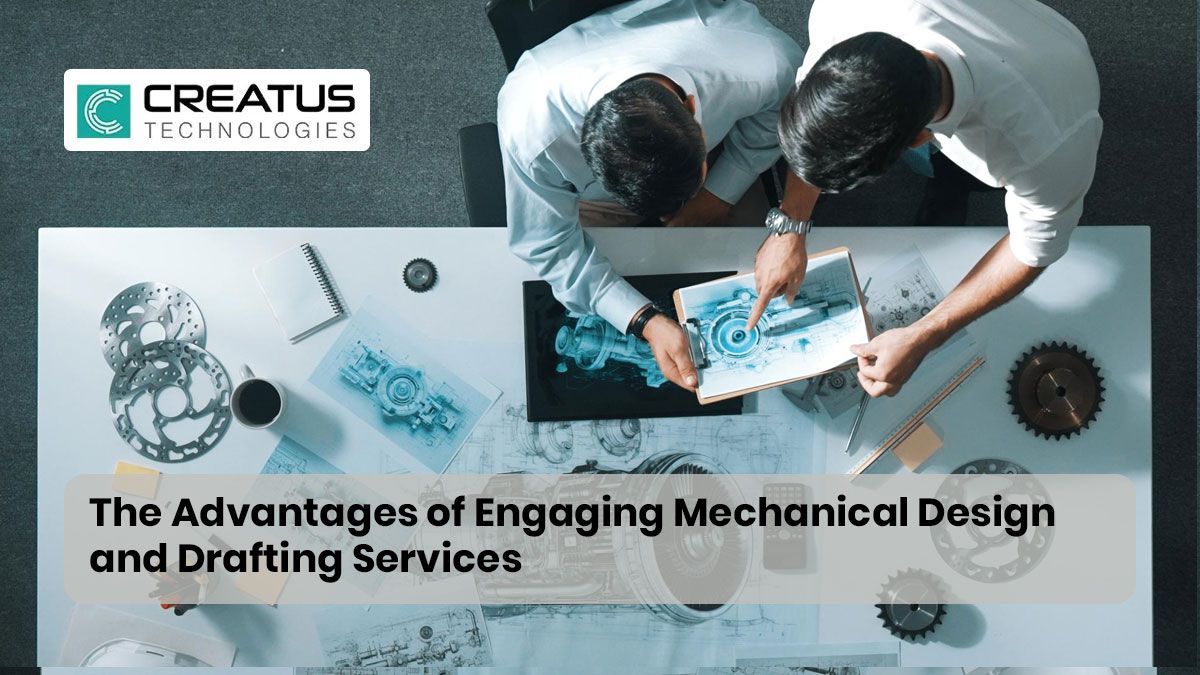
CAD (Computer-Aided Design) refers to software used to design, visualise, and simulate components or assemblies in a digital environment.
It enables engineers to:
- Create precise 3D models with accurate dimensions
- Perform material simulations and stress testing
- Develop annotated drawings for manufacturing and fabrication
With the integration of 3D scanning, CAD modelling now incorporates real-world data, allowing engineers to replicate physical components digitally with exceptional accuracy.
The Role of 3D Scanning in CAD
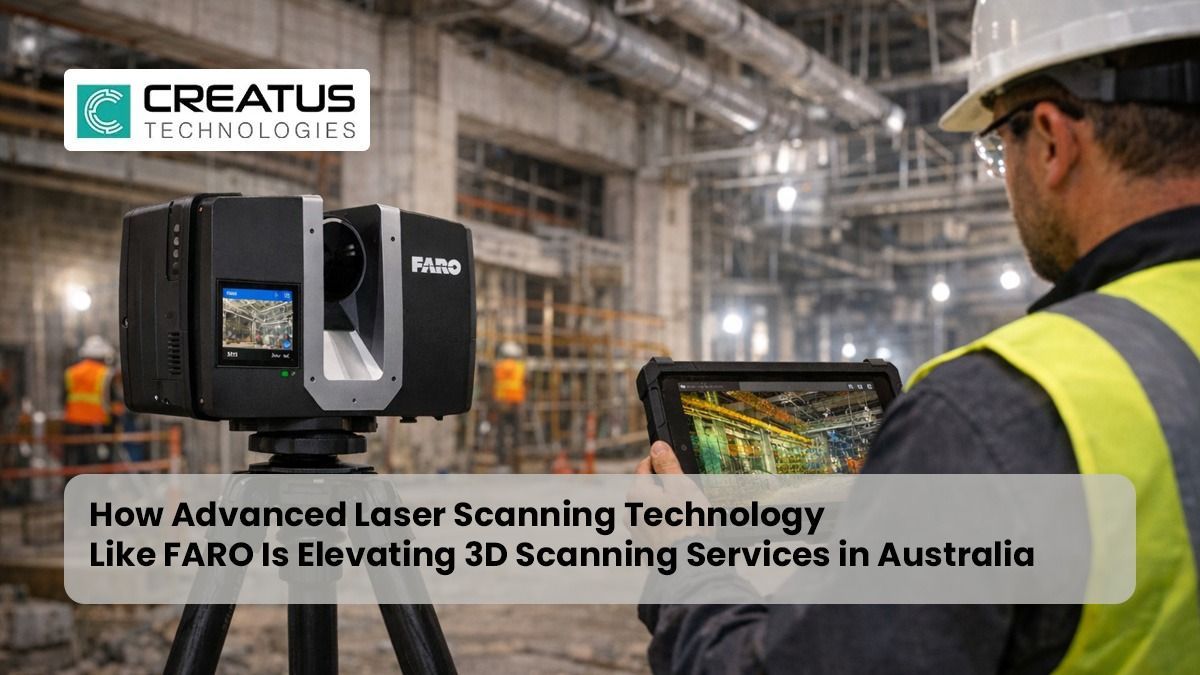
3D scanning is a non-contact, non-destructive technology that captures the geometry of physical objects using laser or structured light systems.
The output is typically a:
- Point cloud (raw spatial data)
- Mesh model (processed surface geometry)
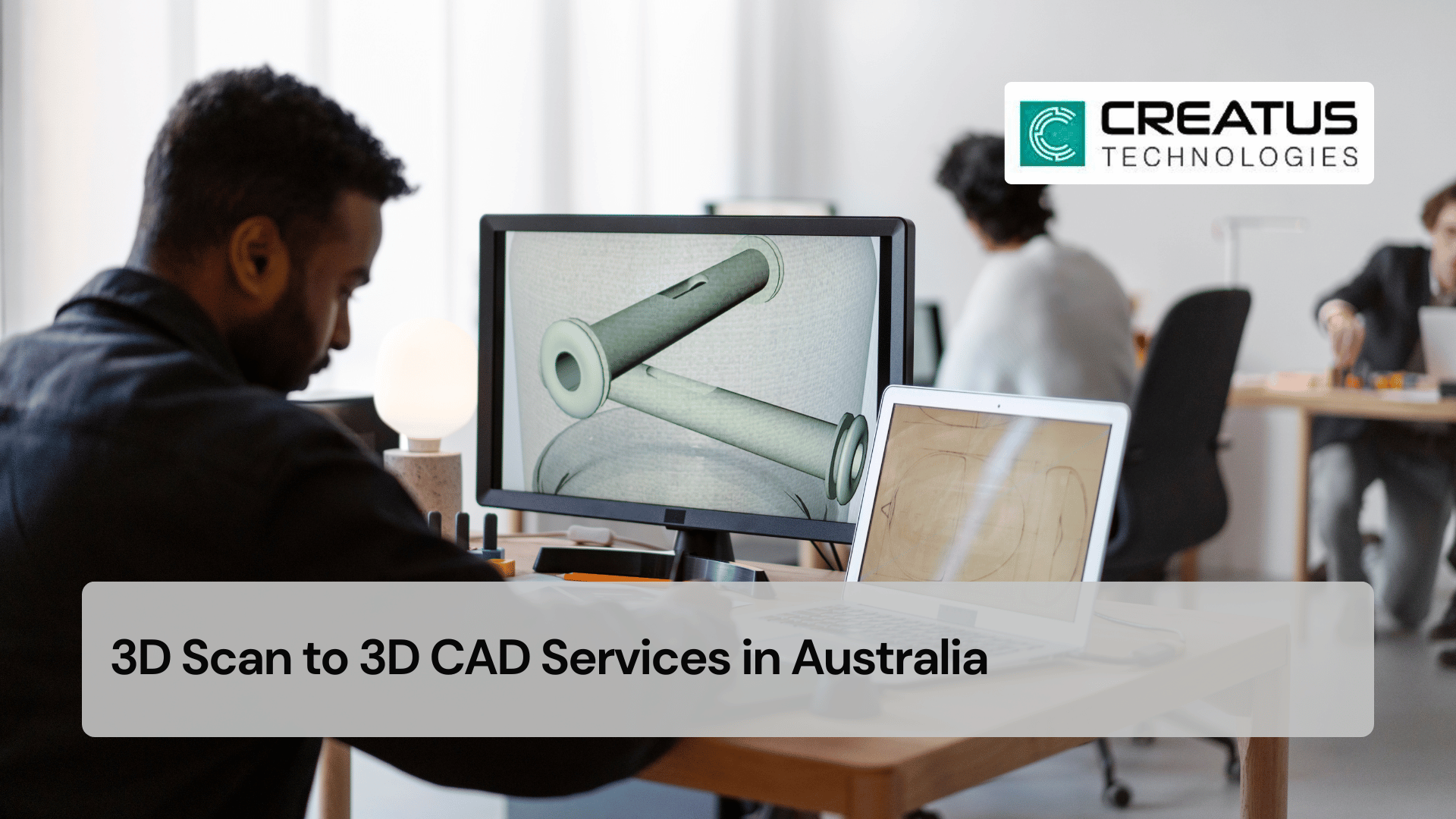
This data is then converted into a CAD-ready model.
Key Advantages:
- High Accuracy: Up to 0.03 mm precision
- Speed: Faster than manual measurement
- Versatility: Ideal for complex geometries and irregular surfaces
At Creatus Technologies, engineers use 3D scanning for reverse engineering, inspection, prototyping, and design optimisation.
Benefits of Integrating 3D Scanning with CAD
1. Reduced Product Development Time
Digitising components eliminates repeated manual measurements. Engineers can make changes directly in the digital model, significantly shortening development cycles.
2. Enhanced Design Accuracy
Traditional drawings may miss subtle geometries. 3D scanning captures every curve and contour, ensuring CAD models reflect real-world objects precisely.
3. Increased Productivity
Engineers can simulate, test, and validate designs virtually, enabling faster decision-making and streamlined workflows.
4. Improved Collaboration
Standardised CAD models are easy to share across teams—from design to production—making communication clearer for both technical and non-technical stakeholders.
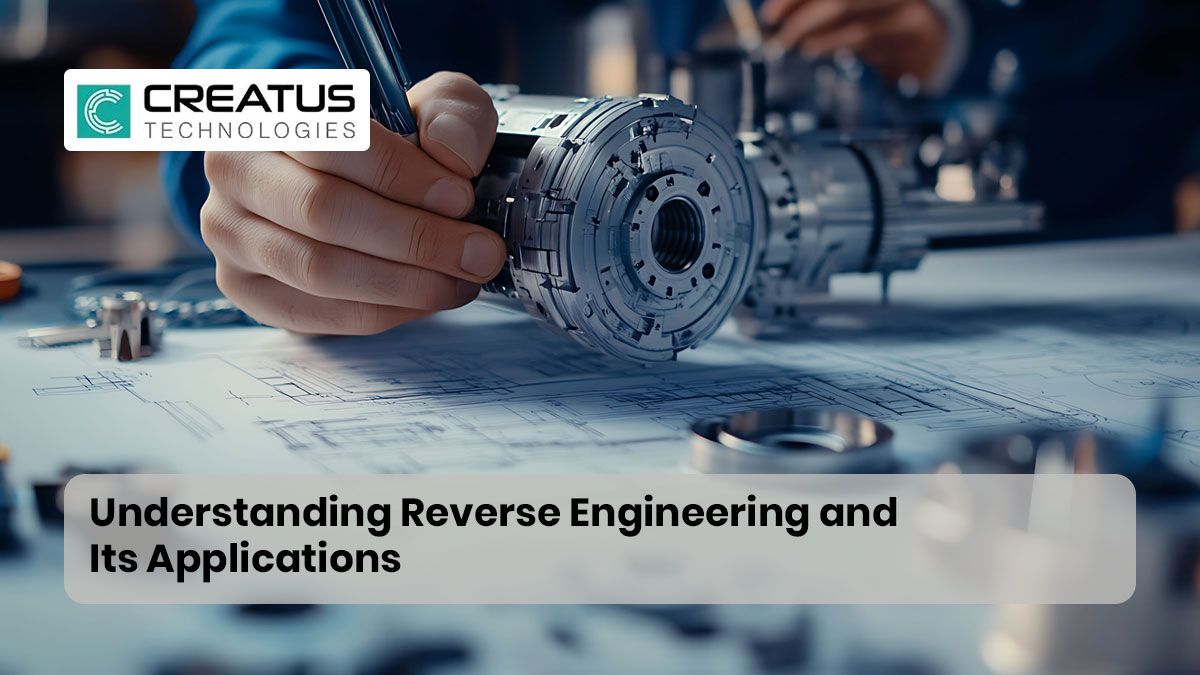
5. Reverse Engineering Capabilities
3D scanning makes it possible to recreate legacy or discontinued components even when original drawings are unavailable.
How 3D Scanners Work
The 3D scanning process typically involves four key stages:
- Data Capture
Laser or structured light scans the object to generate a point cloud. - Data Integration
Multiple scans are aligned and merged into a complete 3D representation. - Post-Processing
Software converts the scan data into a clean mesh or CAD-compatible model. - Analysis & Modification
Engineers refine, simulate, and optimise the model as needed.
This workflow enables companies like Creatus Technologies to deliver high-precision models for complex engineering applications.
Applications of 3D Scanning in Engineering
- 3D scanning is widely used across industries:
- Automotive: Component inspection, prototyping, reverse engineering
- Manufacturing: Tooling design, production optimisation, quality control
- Aerospace: High-precision component replication and analysis
- Medical Devices: Custom prosthetics and specialised components
Conclusion
3D scanning has fundamentally transformed CAD design by bridging the gap between physical objects and digital engineering. It enables faster workflows, higher accuracy, and greater flexibility in product development.
By integrating 3D scanning with CAD and reverse engineering, engineers can:
- Replicate legacy parts
- Improve product designs
- Accelerate innovation cycles
At Creatus Technologies, advanced 3D scanning technologies are combined with engineering expertise to deliver precise CAD models and optimised design solutions tailored to modern industry demands.
FAQ'S
What is 3D scanning in CAD design?
It is a technology that captures the exact geometry of a physical object and converts it into a digital 3D CAD model for analysis, design, or reproduction.
How accurate is 3D scanning?
Modern systems can achieve accuracy up to 0.03 mm, making them suitable for high-precision engineering applications.
Can 3D scanning be used for reverse engineering?
Yes. It allows engineers to recreate components even without original drawings or documentation.
Which industries benefit most from 3D scanning?
Industries such as automotive, aerospace, manufacturing, and medical devices benefit significantly.
Why choose Creatus Technologies?
They combine advanced scanning technology with expert engineering to deliver accurate CAD models and efficient design solutions.