Understanding Reverse Engineering and Its Applications
Introduction
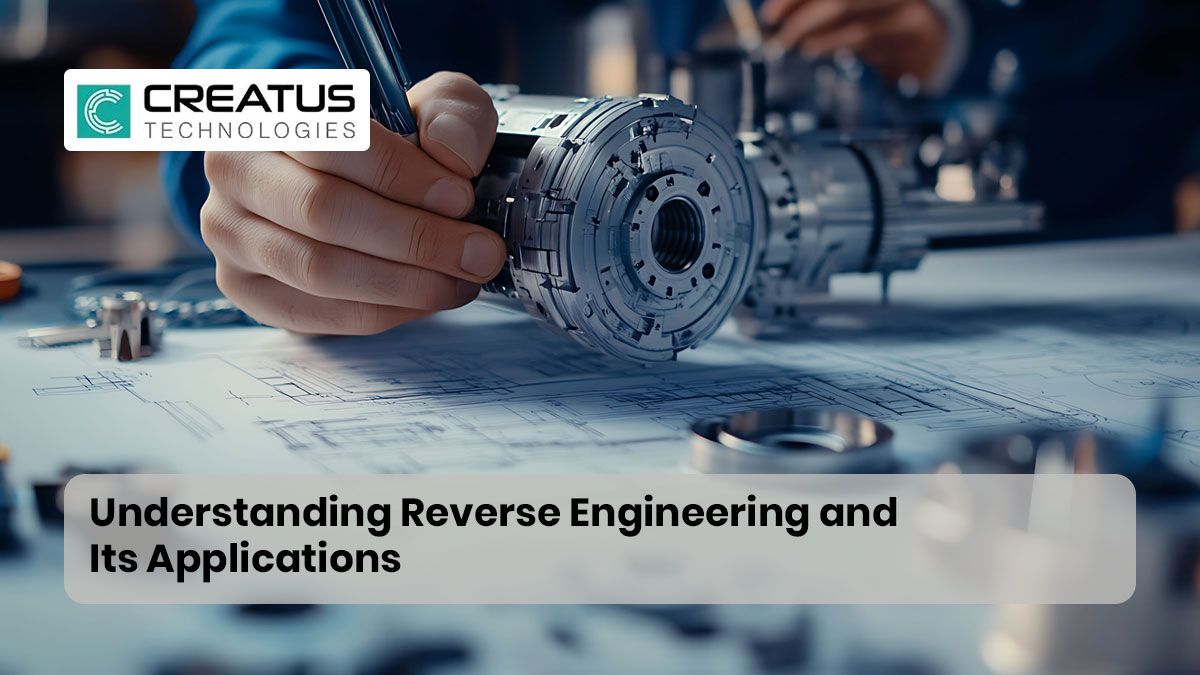
Reverse engineering is a powerful and specialised process used to analyse, recreate, and enhance existing products, machinery, or components. At Creatus Technologies, this approach is applied to deliver precise insights into complex mechanical systems—helping businesses repair, replicate, or improve critical components.
In simple terms, reverse engineering involves breaking down a finished product to understand how it was originally designed and manufactured. This becomes especially valuable when original design documents are unavailable or when manufacturers no longer produce certain parts.
What Reverse Engineering Involves
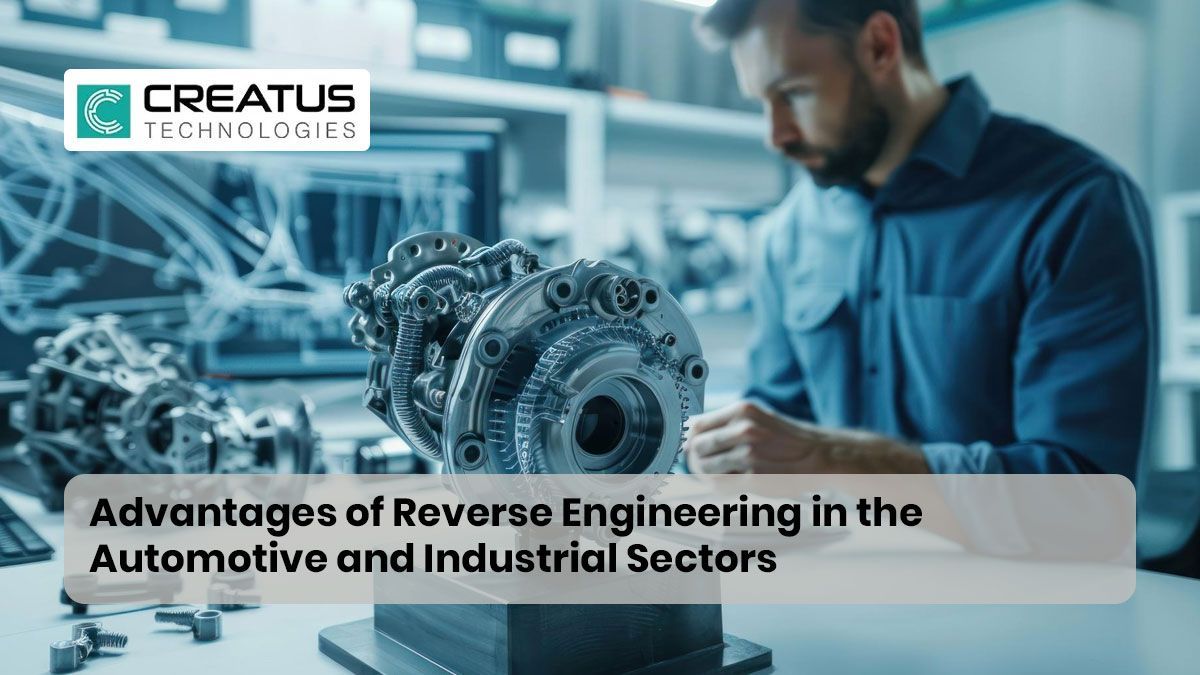
Reverse engineering—also known as back engineering—works by analysing a product from the outside in. Engineers carefully dismantle components, studying each part individually to understand its structure, material composition, and functionality.
This method is commonly used when:
- Original design drawings are missing or outdated
- Replacement parts are no longer available
- Legacy systems require modernisation or upgrades
By working backwards, engineers can recreate accurate digital models and even improve upon the original design.
Key Steps in Mechanical Reverse Engineering
At Creatus Technologies, reverse engineering follows a structured and precise workflow:
1. Measurement and Analysis
Each component is carefully measured for dimensions such as length, width, and height. These measurements reveal both structural and performance characteristics.
2. Product Identification
Understanding the type and purpose of the product—whether industrial machinery, automotive components, or electronics—helps guide the engineering approach.
3. Digital Capture with 3D Scanning
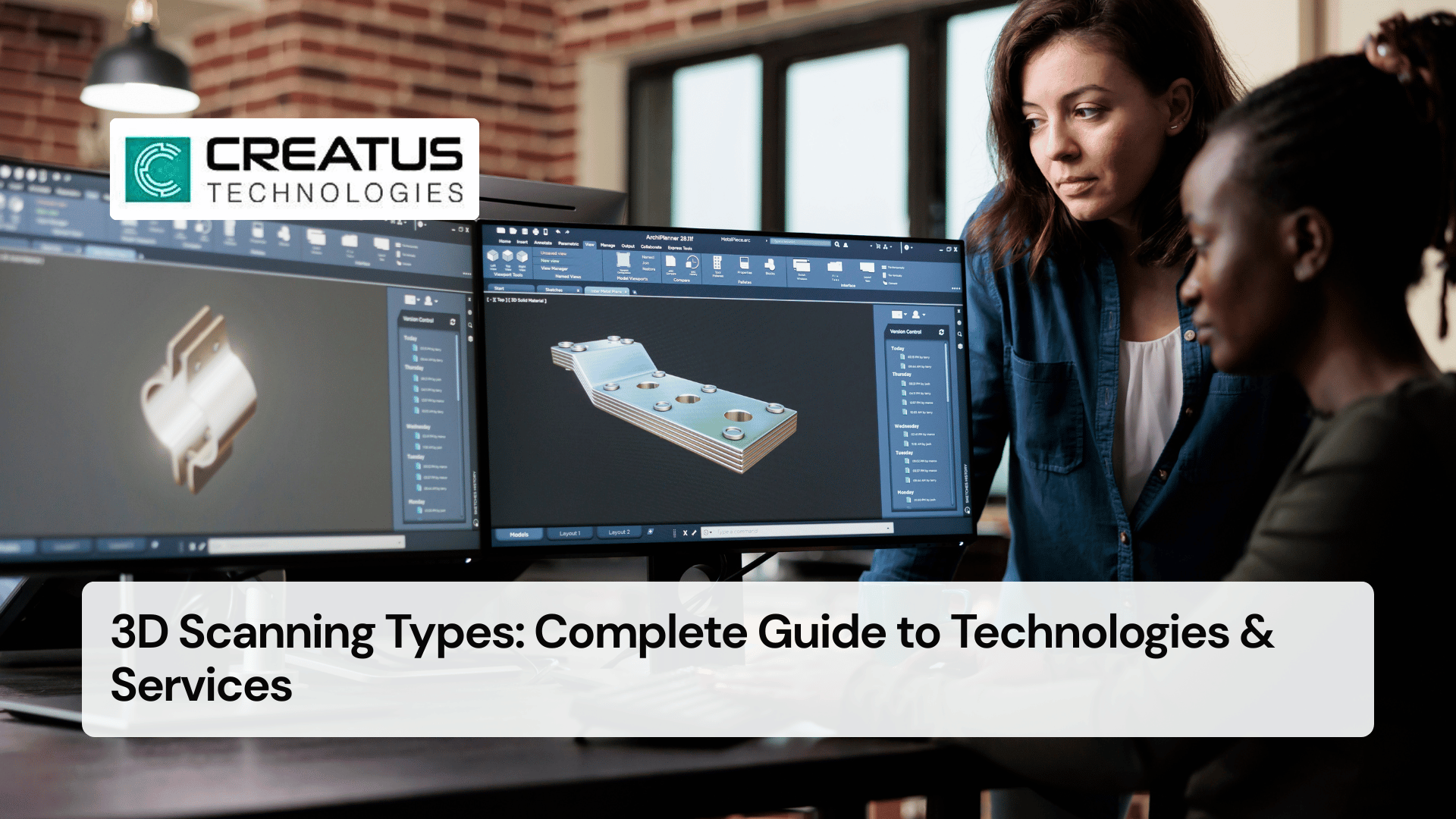
Advanced tools such as laser scanners, structured light systems, and coordinate measuring machines (CMM) capture the exact geometry of components.
4. CAD Model Development
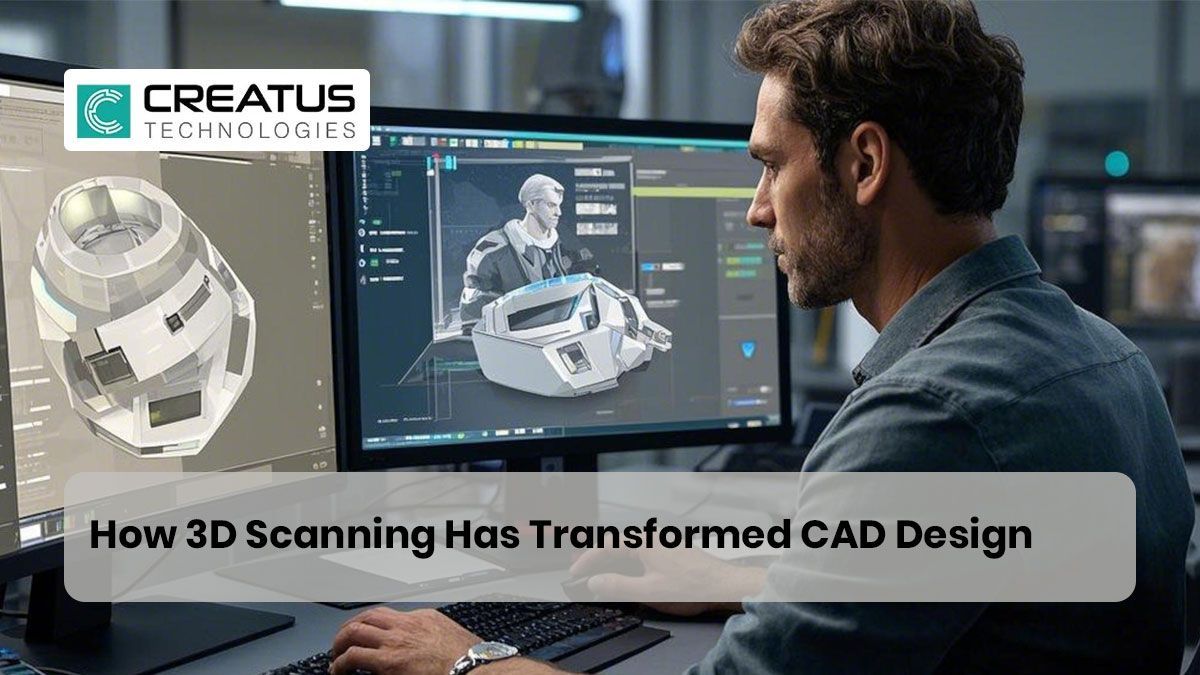
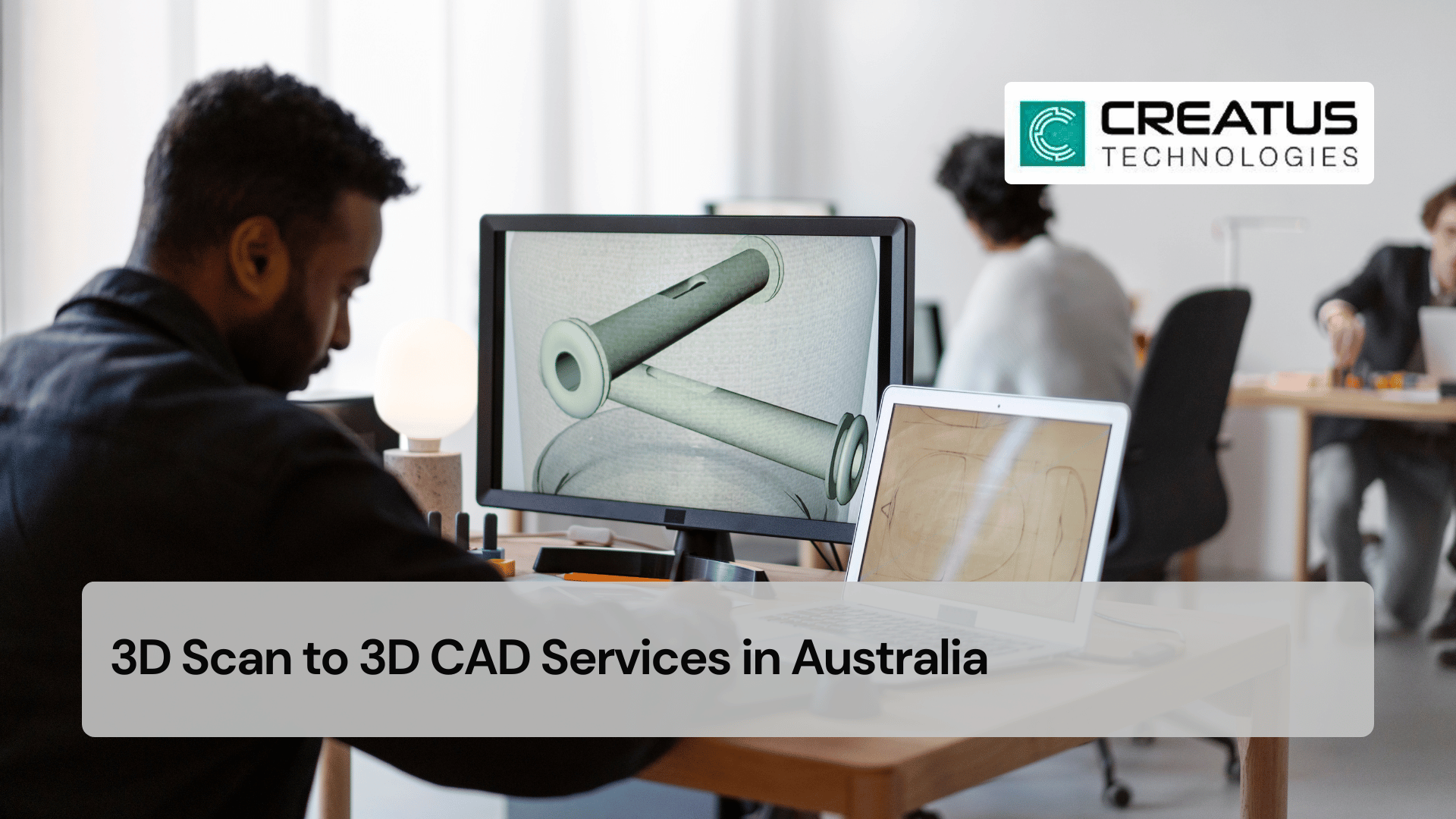
The collected data is converted into detailed CAD models, allowing engineers to analyse, replicate, or modify the design efficiently.
Applications of Reverse Engineering
Reverse engineering plays a critical role across multiple industries:
- Legacy Part Replacement – Recreating discontinued or hard-to-find components
- Maintenance and Repair – Producing accurate replacements for worn-out parts
- Failure Analysis – Identifying design flaws and improving reliability
- Product Enhancement – Upgrading existing designs with modern improvements
- Digital Archiving – Creating long-term digital records of physical components
This versatility makes reverse engineering an essential tool for both maintenance and innovation.
How Creatus Technologies Delivers Value
At Creatus Technologies, reverse engineering is powered by advanced technology and expert engineering practices:
- Thorough Analysis – Every component is examined in detail
- High Accuracy – 3D scanning ensures precise and repeatable measurements
- Efficient Workflows – CAD models accelerate design replication and prototyping
- Innovation-Driven Approach – Insights are used to improve performance and durability
By converting physical products into accurate digital assets, businesses gain the ability to optimise production, reduce downtime, and innovate with confidence.
Conclusion
Reverse engineering goes beyond simple disassembly—it is a strategic approach to understanding, recreating, and enhancing products. For industries that rely on mechanical systems, it enables seamless part replacement, improved designs, and continuous innovation.
With expertise from Creatus Technologies, businesses can leverage reverse engineering to maintain operations, upgrade legacy systems, and develop next-generation solutions with precision and efficiency.
FAQ'S
What is reverse engineering?
Reverse engineering is the process of analysing a product to understand its design, functionality, and construction in order to replicate or improve it.
What challenges are involved in reverse engineering?
Common challenges include lack of original documentation, complex geometries, material identification, and maintaining accuracy during digital modelling.
It is used for part replacement, repair, failure analysis, product improvement, and digital archiving.
It is used for part replacement, repair, failure analysis, product improvement, and digital archiving.
How is reverse engineering performed?
The process includes measurement, 3D scanning, data capture, CAD modelling, and design analysis.
How does reverse engineering support innovation?
By analysing existing designs, engineers can identify improvements, optimise performance, and develop more advanced and efficient products.