Advantages of Reverse Engineering in the Automotive and Industrial Sectors
Introduction
In today’s competitive engineering landscape, innovation often begins with understanding what already exists. Reverse engineering has become a powerful tool for analysing products, improving designs, and accelerating development across industries.
At Creatus Technologies, reverse engineering is used to unlock design insights, enhance product performance, and support innovation in both automotive and industrial sectors. By combining advanced technologies with engineering expertise, businesses can optimise existing systems and develop future-ready solutions.
Understanding the Power of Reverse Engineering
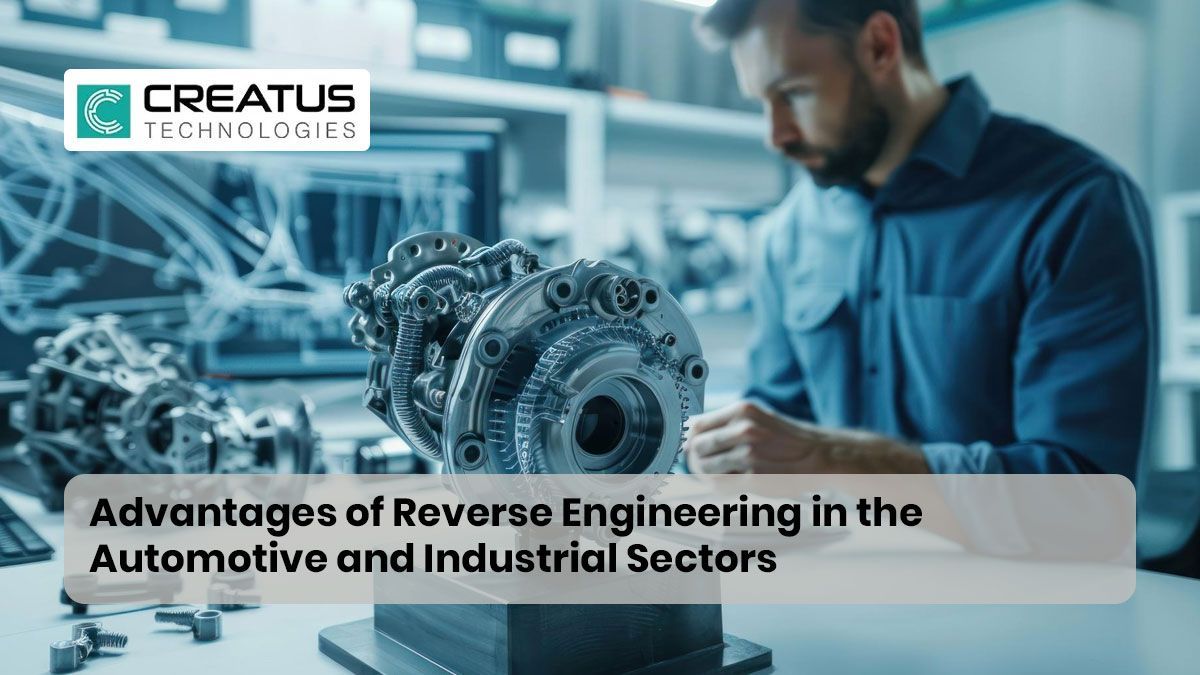
Reverse engineering involves dismantling or analysing a product, vehicle, or mechanical system to understand its design, materials, and functionality.
This approach is especially valuable when:
- Original design data is unavailable
- Components are outdated or discontinued
- Performance improvements are required
By studying real-world systems, engineers gain insights into:
- Material properties
- Assembly techniques
- Component interactions
These insights form a strong foundation for product optimisation and innovation.
Key Benefits in Automotive and Industrial Sectors
1. In-Depth Analysis of Existing Designs
Reverse engineering enables engineers to fully understand how a product functions. In automotive applications, this includes analysing:
- Engine configurations
- Chassis structures
- Mechanical subsystems
This deep analysis helps identify opportunities for improvement and innovation.
2. Recreating and Modernising Legacy Components
Many industrial machines and vehicles rely on parts that are no longer manufactured.
Reverse engineering allows engineers to:
- Recreate discontinued components
- Integrate modern materials and technologies
- Improve durability and efficiency
This ensures older systems remain functional and aligned with current standards.
3. Identifying and Eliminating Design Flaws
By analysing products from an assembled state, engineers can detect:
- Structural weaknesses
- Stress concentration points
- Inefficiencies in airflow or movement
Correcting these issues enhances safety, reliability, and long-term performance.
4. Keeping Up with Technological Advancements
Reverse engineering provides valuable insights into emerging technologies and competitor designs.
Engineers can:
- Study advanced systems
- Understand new engineering approaches
- Integrate modern innovations into their own products
This helps businesses remain competitive in rapidly evolving industries.
5. Upgrading Obsolete Parts
In industrial environments, downtime caused by unavailable components can be costly.
Reverse engineering offers a solution by:
- Designing improved replacements
- Ensuring compatibility with existing systems
- Enhancing performance and lifespan
6. Creating Digital Reference Models
When combined with CAD modelling, reverse engineering enables the creation of accurate digital replicas.
These models can be used for:
- Future modifications
- Simulation and testing
- Documentation and replication
This digital approach reduces errors and supports data-driven engineering decisions.
7. Driving Innovation and Product Development
Reverse engineering is not just about replication—it is a pathway to innovation.
By analysing multiple systems, engineers can:
- Identify design synergies
- Develop hybrid solutions
- Improve energy efficiency and functionality
This approach supports the creation of next-generation automotive and industrial products.
How Creatus Technologies Applies Reverse Engineering
Creatus Technologies integrates advanced tools and methodologies to deliver precise reverse engineering solutions.
Our Process Includes:
- High-precision 3D scanning
- Detailed component analysis
- Digital reconstruction of mechanical parts
- CAD modelling for prototyping and production
- Design optimisation for safety and efficiency
This end-to-end approach ensures accurate, reliable, and innovative outcomes for clients across industries.
Conclusion
Reverse engineering has become an essential tool in modern engineering, enabling businesses to analyse, improve, and innovate with confidence.
From recreating legacy components to enhancing performance and driving new product development, its impact on the automotive and industrial sectors is significant.
By partnering with experts like Creatus Technologies, businesses can leverage reverse engineering to reduce costs, improve efficiency, and stay ahead in a competitive market.
FAQ'S
What is reverse engineering in the automotive industry?
It involves analysing vehicle components to understand their design, improve performance, or recreate parts when original data is unavailable.
How does reverse engineering benefit industrial machinery?
It helps recreate outdated parts, identify design flaws, and optimise systems for better efficiency and reliability.
Can reverse engineering help with legacy components?
Yes. Engineers can reproduce or upgrade discontinued parts using modern technologies.
How is CAD used in reverse engineering?
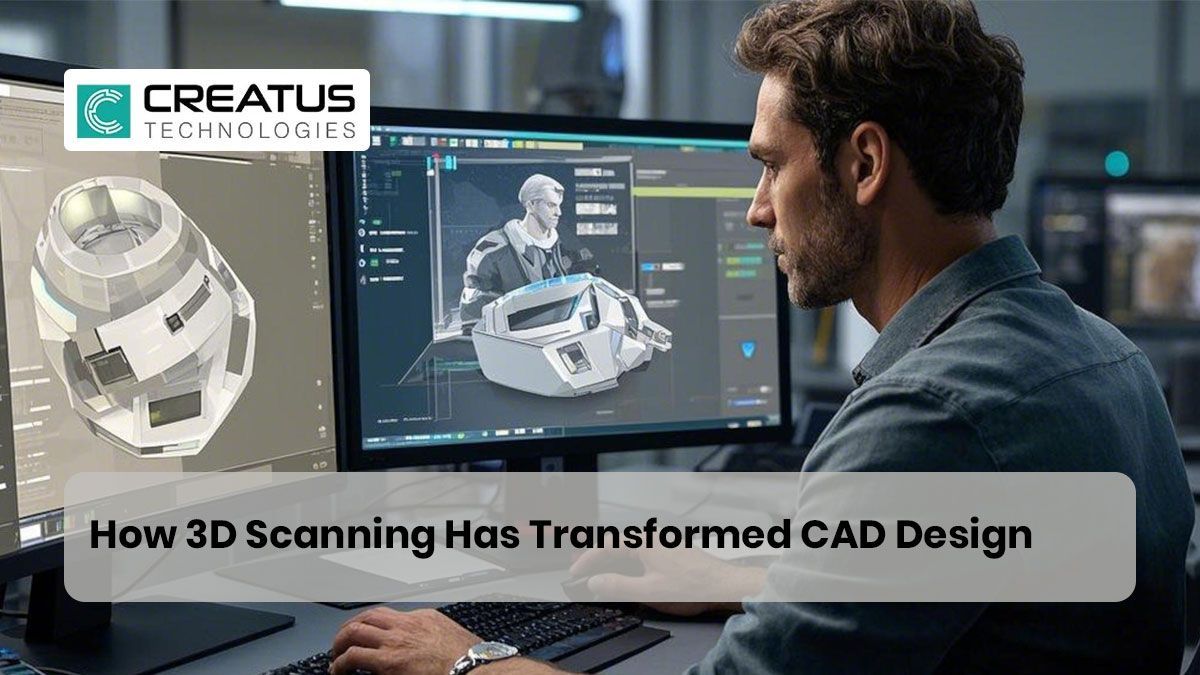
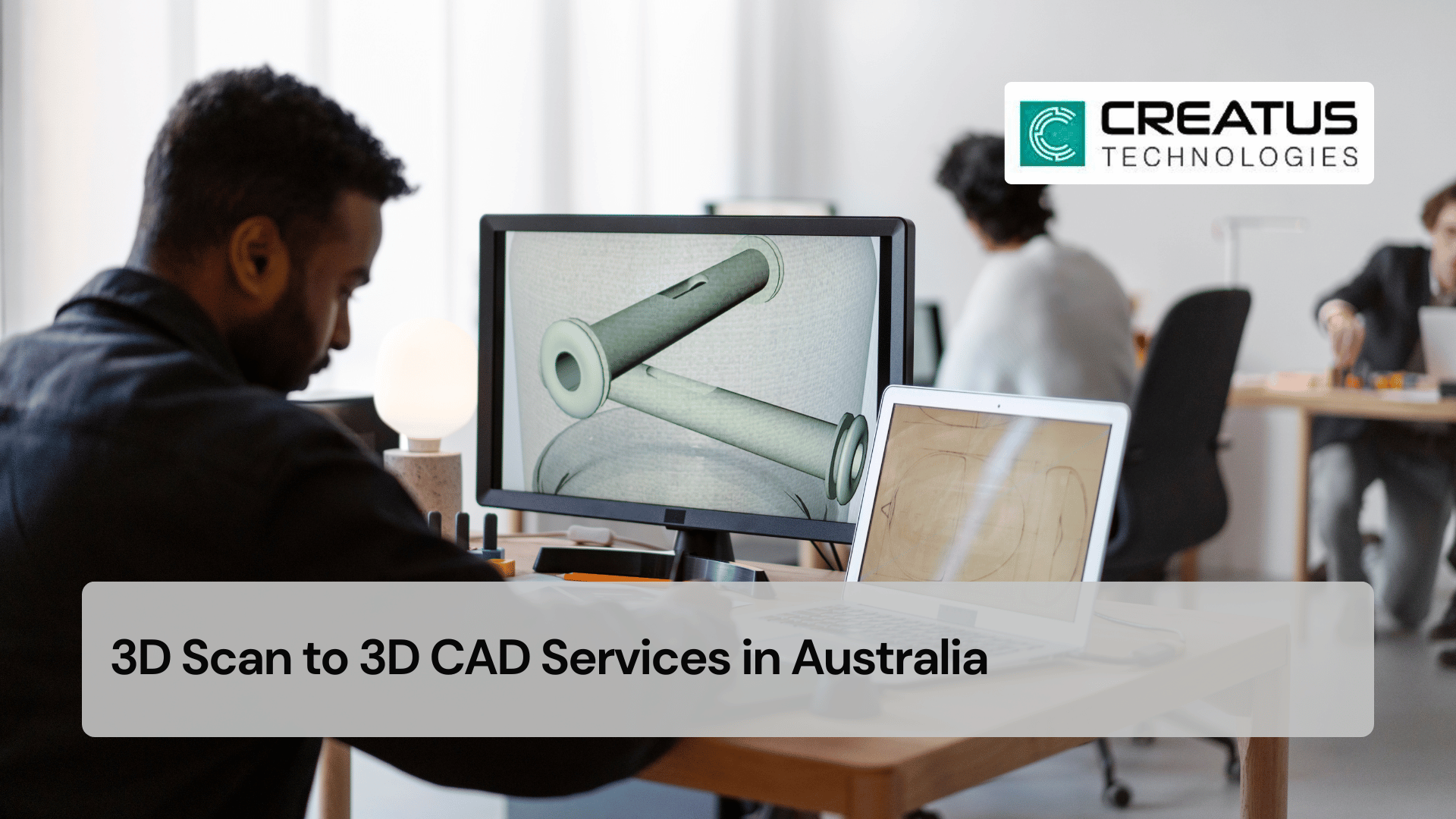
CAD software converts scanned data into precise digital models for modification, simulation, and production.
Which industries benefit most from reverse engineering?
Automotive, aerospace, manufacturing, medical devices, and consumer electronics sectors benefit significantly.